Approach
I lead design at every stage
From the seed of an idea through to large established products for the world’s biggest brands — transforming ideas into high-performing products that people love.
I approach design as a form of discernment—toward users, toward systems, and toward the people who will maintain and extend the work long after launch. Integrating into the way we move, the way we think, and the way we communicate.
I focus on judgment before process: understanding what matters, where clarity is most needed, and which decisions will compound over time. Rather than introducing new complexity, I look first for opportunities to reuse, refine, or reframe what already exists. Restraint, in my experience, is often the most durable design choice.
I care deeply about how systems feel to use—not as an aesthetic exercise, but because clarity, coherence, and calm are how trust is built. This is especially true in complex or high-stakes environments.
As a leader and a player-coach, I stay close to the work at moments of framing and tradeoff, while creating the conditions for teams to make strong decisions independently. My goal is to help organizations scale thoughtfully—without losing the humanity, coherence, or care that made the work strong in the first place.
01
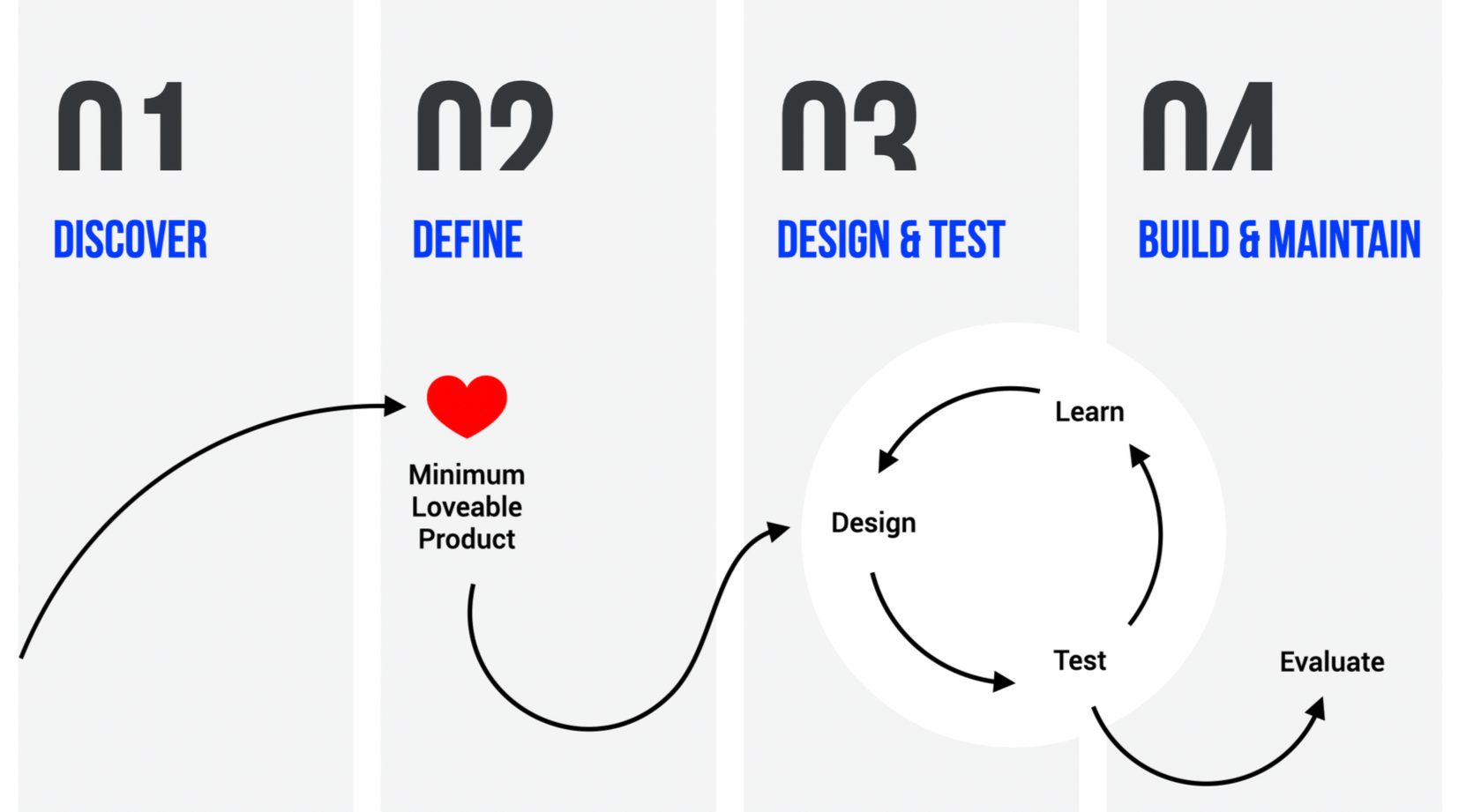
Discover
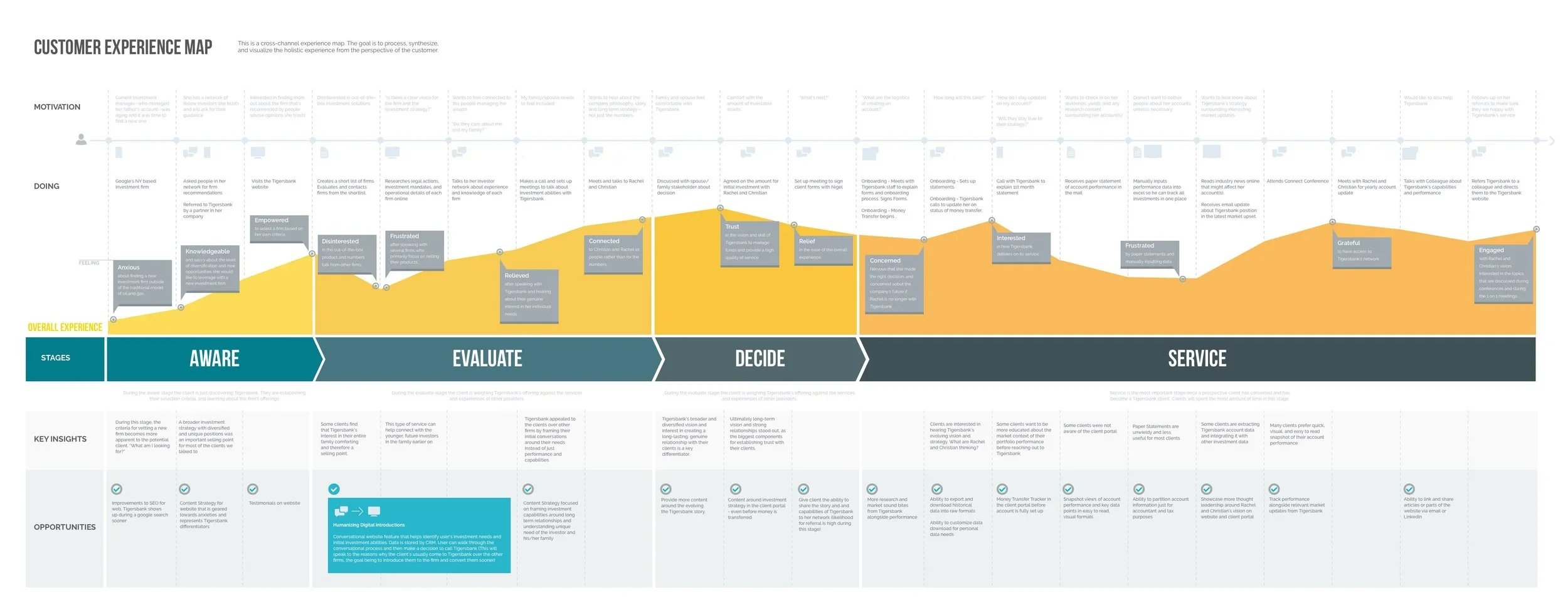
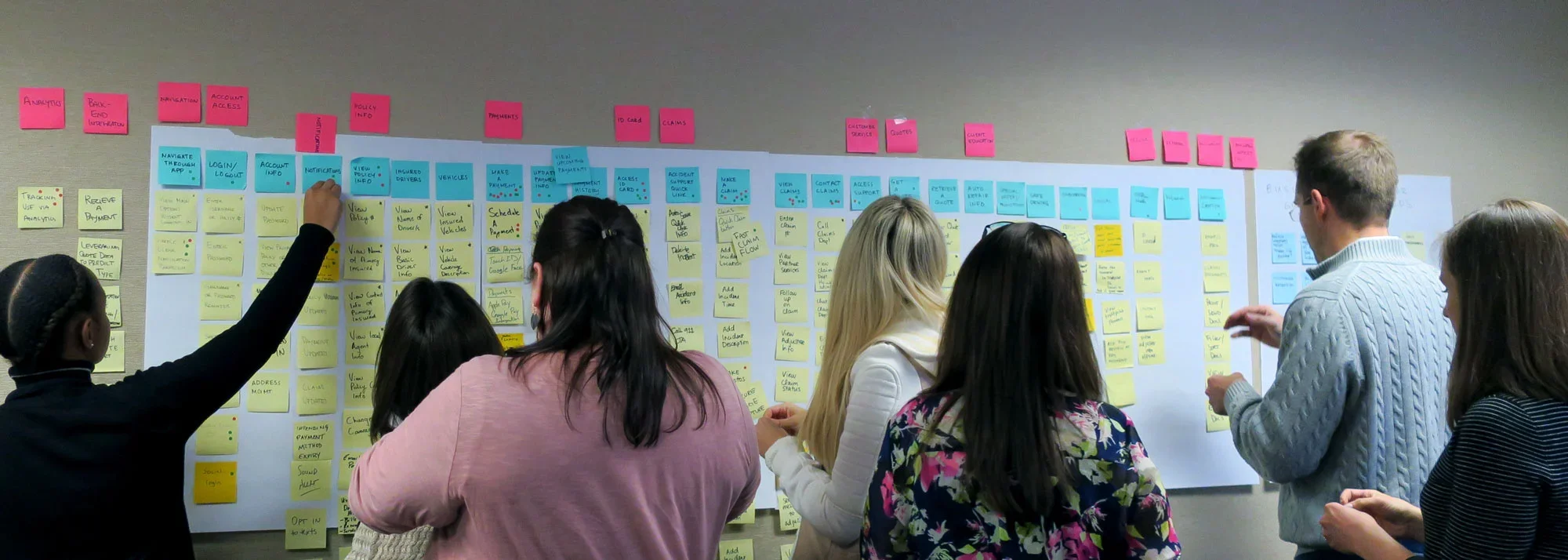
Research, Discovery & Synthesis
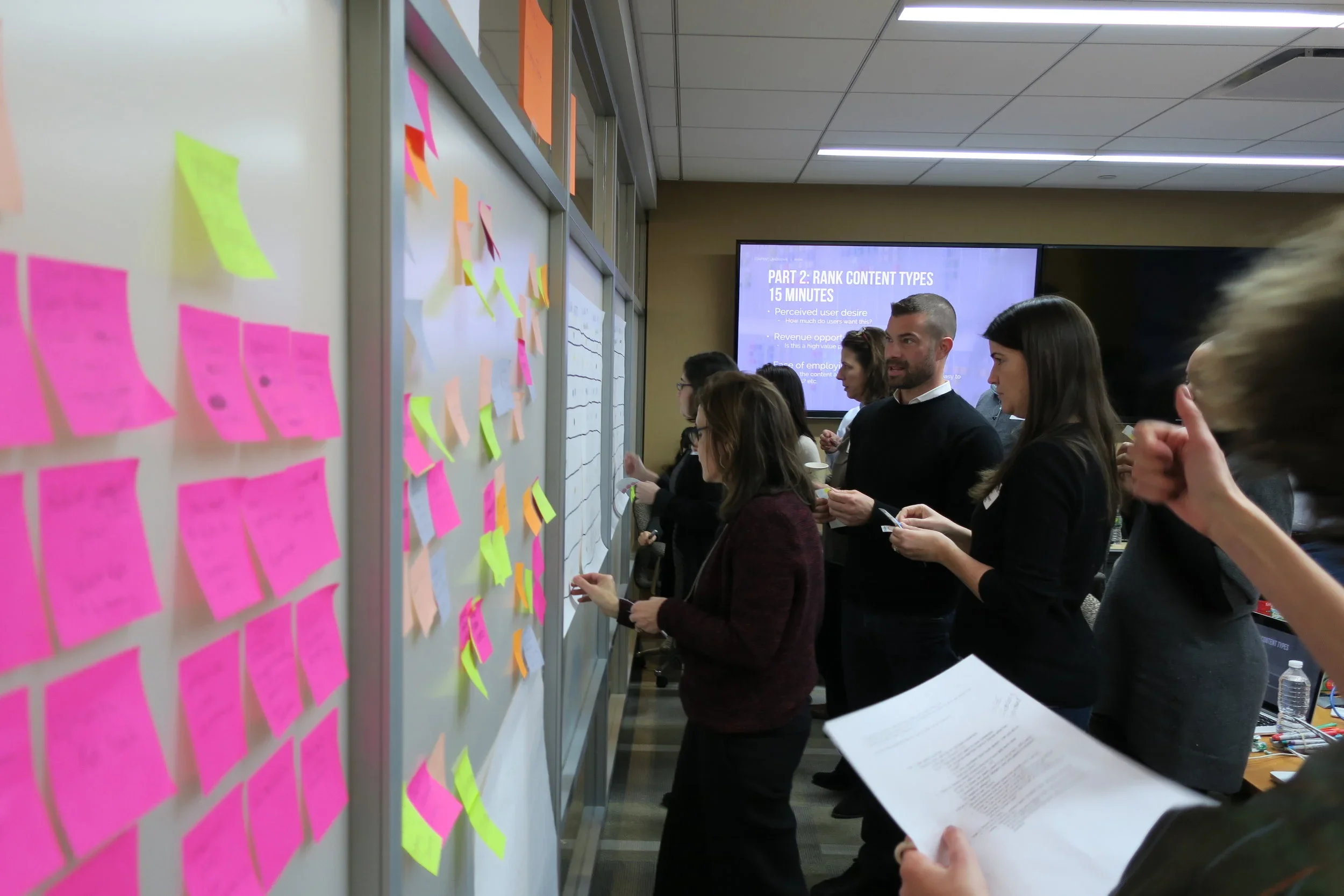
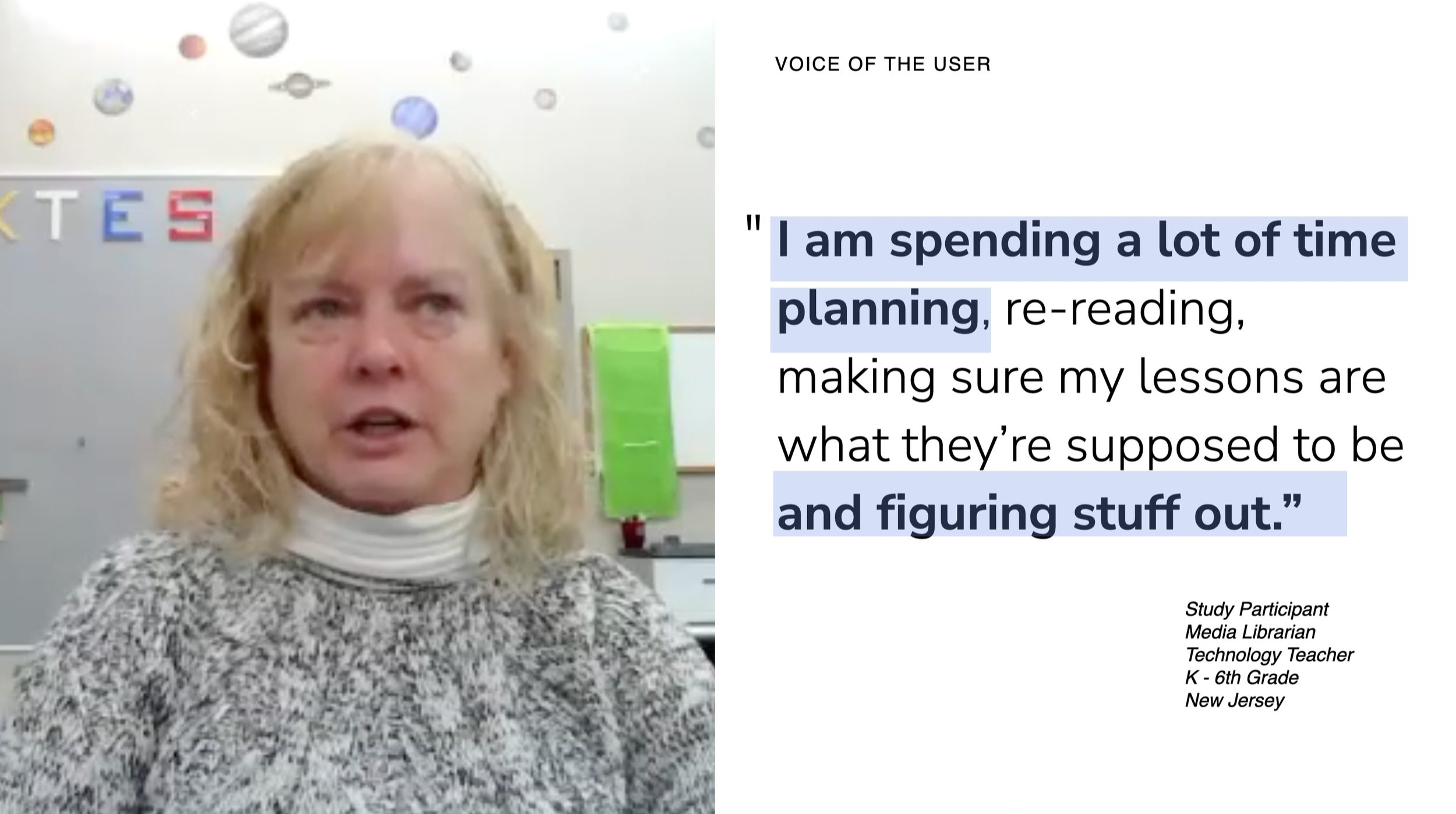
From understanding market influences to deep user empathy, I love working with companies to surface opportunities and using research to find the meaning that matters.
It’s thrilling to align possibility and potential with a beautifully crafted solution that meets users’ and business needs.
I thrive on using AI-powered solutions to enable faster, evidence-based decision-making while preserving human judgment in problem framing and prioritization.
02
Define
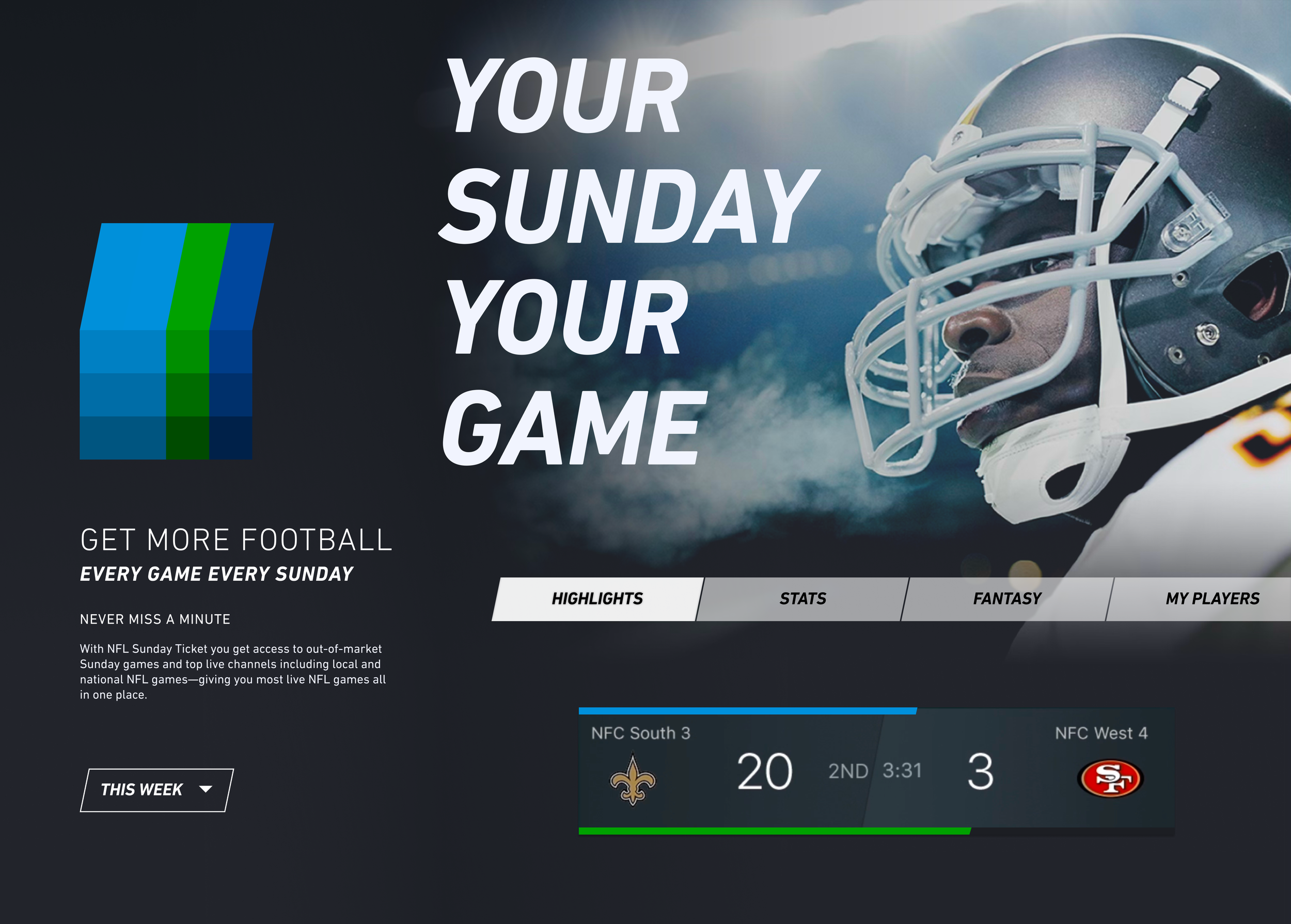
Vision, Concepting & Creative Exploration
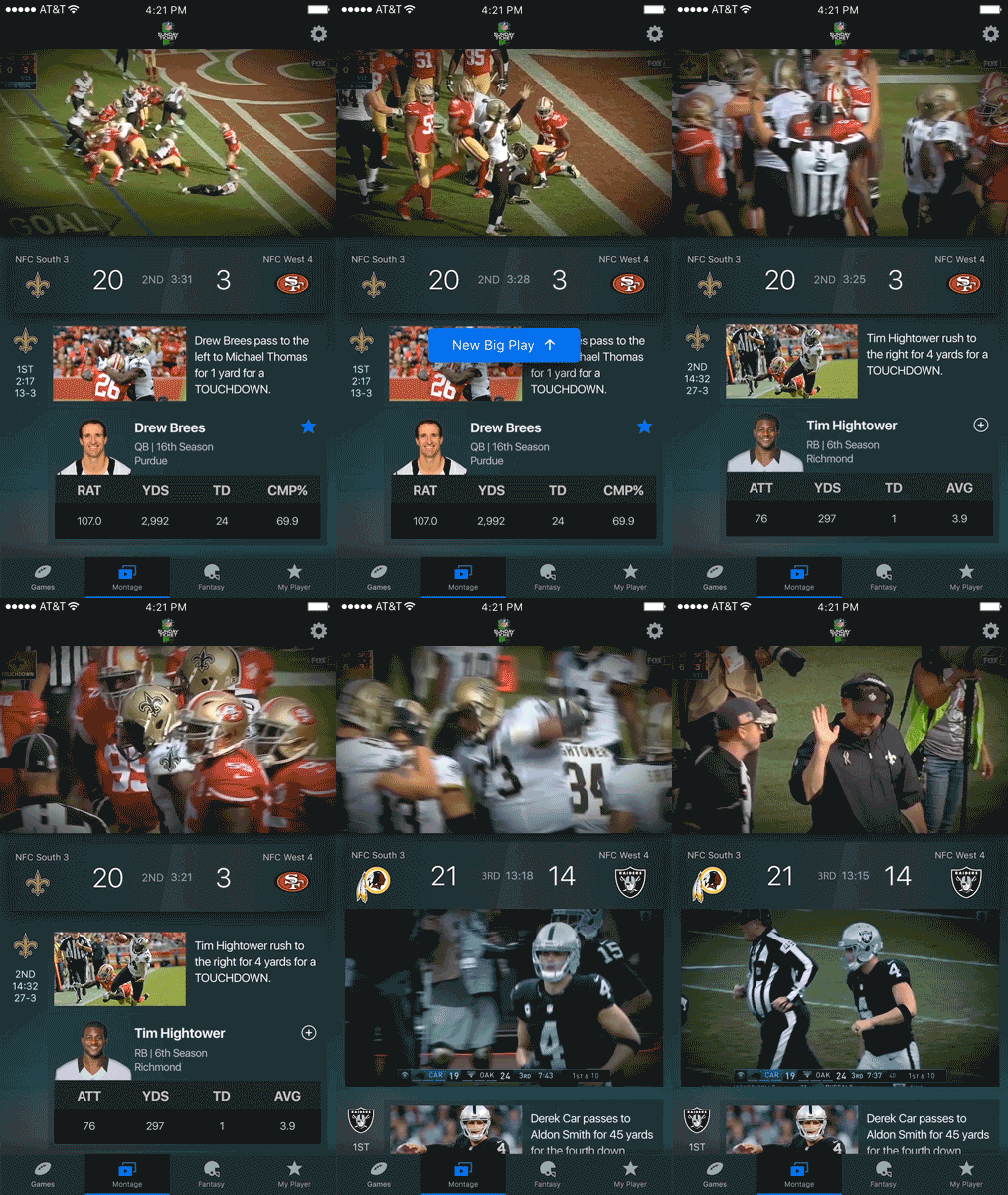
Product vision ideation — expanding early-stage design exploration through visual, interactive, and narrative concepts.
I think of design systems as cultural infrastructure. When they’re well considered, they encode values, reduce friction, and help teams make consistent decisions even as surface area grows.
03
Design & Test
Prototyping, Interaction & Front-End Translation
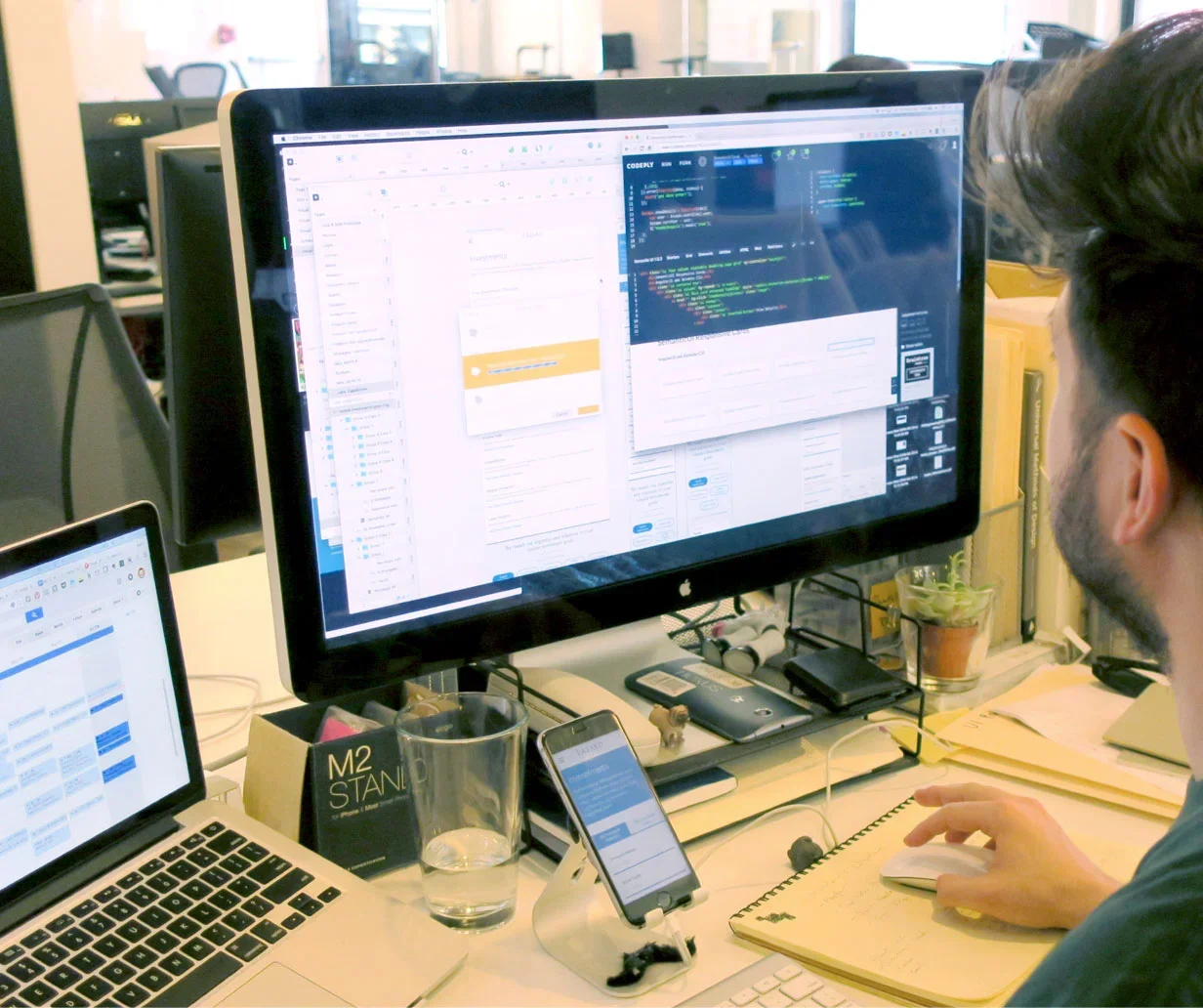
Streamlining the transition from design to development by producing interactive and implementation-ready outputs — shortening feedback loops, reducing handoff friction, and improving product quality at launch.